


Ginko Biloba

Ginko Biloba appeared approximately 270 million years ago in the late Paleozoic Era. From the Permian Period. Ginkgos were widespread and diverse during the Mesozoic Era, especially in the Jurassic and the Cretaceous periods, coexisting with Dinosaurs.
from the fossil record we have learned that Ginkos, were growing in Europe, Asia,
North-America, and even on the polar regions.
Interestingly the end of the paleo gene period - 30million years ago , Ginko diversity and distribution begun to shrink and today we can only find one species that survived , Ginko Biloba , which earned the reasonable title, the Living Fossil.

Despite dramatic climate shifts and mass extinctions, Ginkgo biloba has persisted due to resistant to pollution, pests, and fungal diseases, tolerating both extreme cold and heat, remarkable genetic conservation, reducing harmful mutations over time, and thanks to human cultivation in China, Ginko trees were planted in temples and monasteries for over a thousand years, helping to preserve the species.

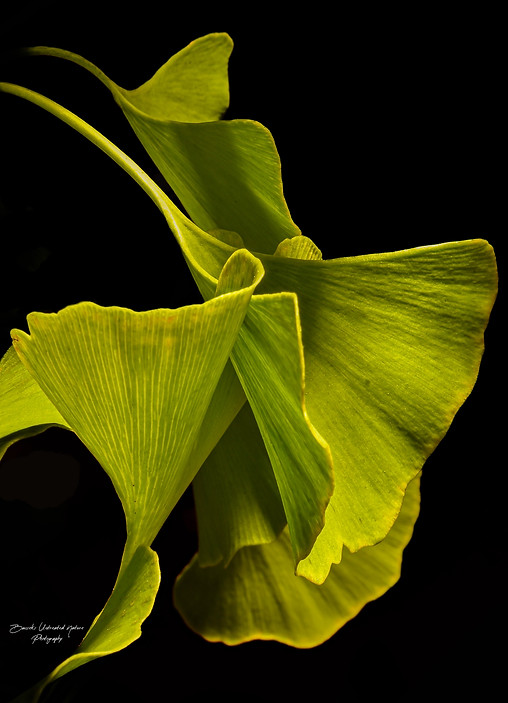
Ginkgo biloba is a deciduous gymnosperm, meaning it sheds leaves annually but does not produce flowers or fruits, instead it’s uses seeds with fleshy coverings. The leaves have a unique fan-shaped (bilobed) structure, optimising sunlight capture.
Ginkgo’s photosynthesis is
C3-based, like most trees, however It’s broad leaf surface and efficient stomatal control allow it to thrive in both urban and natural environments. It has been shown to maintain photosynthetic function even under stressful conditions, such as pollution, heat, and drought. Hence the fact that it’s quite popular to see them in the cities.
Ancient method of Photosynthesis.
Ginkgo Biloba in Medicine
Active Compounds
Ginkgo biloba leaves contain a variety of biologically active substances, including:
Flavonoids (e.g., quercetin, kaempferol) – antioxidants
Terpenoids (e.g., ginkgolides A, B, C, and bilobalide) – neuroprotective and vasodilatory effects
Organic acids, tannins, and polyphenols
Ginkgotoxin (4′-O-methylpyridoxine) – a neurotoxin found in seeds, potentially harmful in high doses
Traditional Medicine Use
Used for thousands of years in Traditional Chinese Medicine (TCM).
Traditionally prescribed to improve blood circulation, support brain function, and treat respiratory issues, asthma, and bronchitis.
Specifically used for cognitive function and memory, circulatory disorder eye issues, anxiety, mood disorder, and tinnitus (ringing in the ears).
Seeds, used less frequently today however were also used it in the past for cough, bladder infections, and digestive support.
Due to certain side effects, it's important to consult with your doctor before you taking it!