


Hoplites is a genus of extinct ammonites belonging to the family Hoplitidae, known from the Albian stage of the Early Cretaceous Period, approximately 113 to 100.5 million years ago. These ammonites were fast-swimming, nektonic cephalopods that played an active role as mid-level carnivores in marine ecosystems.
The shell morphology of Hoplites is characterised by complex, compressed spiral with strong radial ribbing and frequent development of tubercles or spines along the ventrolateral shoulder. These features are thought to have served both hydrodynamic and defensive functions, and they are key identifiers in fossil specimens. The complex suture lines typical of ammonites are well-developed in this genus, adding to their diagnostic value.
Although no direct gut contents or coprolites have been definitively associated with Hoplites, the anatomy inferred from preserved jaw apparatus and radula structures in related ammonite taxa strongly supports a carnivorous diet.
They likely preyed on small crustaceans, planktonic organisms, and juvenile fish, using a chitinous beak and radula similar in form and function to modern cephalopods such as squids and cuttlefish.
Fossils of Hoplites sp. have been found in marine sedimentary deposits across Europe (especially the UK and France), North Africa, and parts of North America. Due to their rapid evolutionary turnover and widespread distribution, Hoplites species are considered biostratigraphically significant index fossils, commonly used in correlating Albian-aged rock formations across different regions.
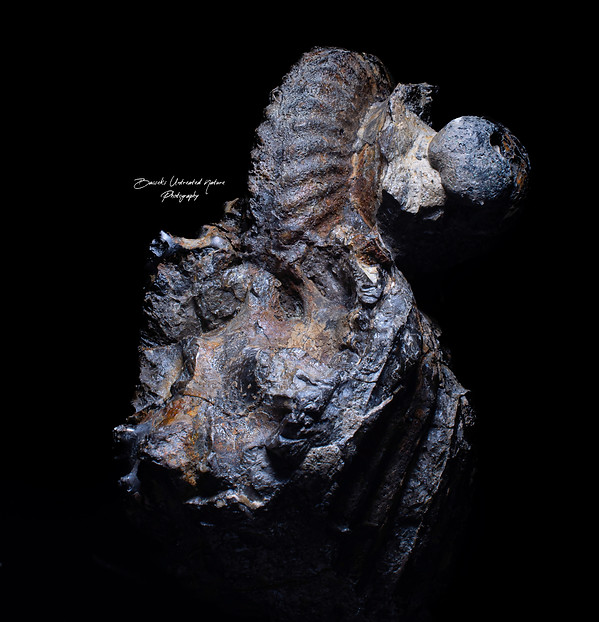
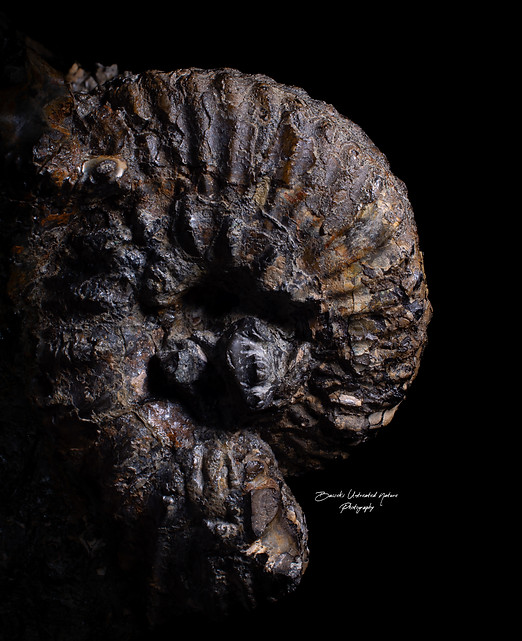
Ammonite - Hoplites sp. Folkstone u.k
Private Collection